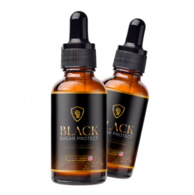
What Alpha-Lipoic Acid Is, Before Black Sugar Protect
Alpha-lipoic acid, often shortened to ALA, is a compound the body produces in small quantities and which also occurs in foods such as spinach, broccoli and organ meats. It plays a role in mitochondrial energy metabolism, acting as a cofactor for enzymes involved in converting nutrients into cellular energy.
What makes it unusual among antioxidants is that it is both water and fat soluble. Most antioxidants work in one environment or the other — vitamin C in water-based compartments, vitamin E in fatty ones. ALA operates in both, which means it can act across a wider range of cellular environments. It has also been described as helping regenerate other antioxidants.
A technical detail worth knowing: ALA exists in two mirror-image forms, R and S. The R form is the one the body produces naturally, and most supplements contain a mixture of both.
How Alpha-Lipoic Acid Fits Into Black Sugar Protect
ALA addresses a different angle from the glucose-focused components. Where berberine and Ceylon cinnamon are researched around glucose handling specifically, ALA relates to mitochondrial energy metabolism and oxidative balance — broader metabolic territory.
It pairs conceptually with magnesium, which is likewise involved in energy metabolism at a fundamental level. Together they give the formula a metabolic-function dimension alongside the glucose-focused one.
Alpha-Lipoic Acid Research Context For Black Sugar Protect
ALA has a substantial research literature, and it is worth separating two quite different strands of it.
The stronger strand concerns diabetic neuropathy, where ALA has been studied reasonably extensively, including intravenous administration in clinical settings and oral doses typically in the range of hundreds of milligrams daily. This is medical research in a diagnosed patient population under supervision, and it is a materially different context from general wellness supplementation.
The second strand concerns insulin sensitivity, where research has investigated possible effects on glucose uptake. Results here are more modest and less consistent.
Neither strand establishes anything about this product. The doses used in that research are known and stated; the amount in Black Sugar Protect is not disclosed. ALA has been researched for antioxidant activity and a potential role in insulin sensitivity, but ingredient-level research does not establish the effectiveness of the finished Black Sugar Protect formula.
Limits Of The Evidence For Alpha-Lipoic Acid In Black Sugar Protect
Two limitations apply to this ingredient exactly as they apply to the other five, and they are worth restating rather than assuming you read them elsewhere.
The amount is not disclosed. Black Sugar Protect does not publish per-ingredient quantities. Without them, no one can compare this formula against the doses used in the research described above.
The finished product has not been tested. The brand states that the complete Black Sugar Protect formula has not been studied in its own clinical trial. Research on Alpha-Lipoic Acid as an isolated compound does not establish what this product does.
Alpha-Lipoic Acid Safety Context For Black Sugar Protect Users
ALA is generally well tolerated. Reported effects include nausea, rash and digestive discomfort, mostly at higher doses.
Several points deserve a conversation with a healthcare professional. ALA may lower blood sugar, which can compound the effect of diabetes medication. It may interact with thyroid medication. There is some evidence it can affect the absorption or activity of certain minerals. And people with thiamine (vitamin B1) deficiency — which can occur with heavy alcohol use — should be cautious, as ALA may deplete thiamine further.
ALA in a supplement is not a treatment for neuropathy, diabetes or any other condition, regardless of the clinical research that exists on the isolated compound at specific doses.
General information, not medical advice
This page describes what an ingredient is and what research exists. It is not a claim that this ingredient produces any specific effect and it is not medical advice. Black Sugar Protect is a dietary supplement and is not intended to diagnose, treat, cure, or prevent any disease. It is not a treatment for diabetes. Never stop or change prescribed medication because of anything you read here. Individual results may vary.
Related Black Sugar Protect Ingredients
Continue with all six Black Sugar Protect ingredients, how the formula works, the benefits overview, or current pricing.