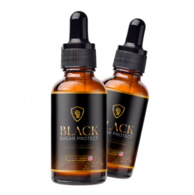
What Berberine Is, Before Black Sugar Protect
Berberine is an alkaloid found in several plants, including barberry, goldenseal, Oregon grape and Chinese goldthread. It is a distinctive bright yellow compound that has been used in traditional Chinese and Ayurvedic practice for centuries, historically for digestive complaints rather than for blood sugar.
Modern interest centres on its interaction with AMP-activated protein kinase, usually shortened to AMPK. AMPK is an enzyme involved in cellular energy regulation, sometimes described as a metabolic master switch because it becomes active when cellular energy is low and influences how cells take up and use glucose. Research has investigated berberine's proposed role in these AMPK-related metabolic pathways.
It is worth noting that berberine has poor oral bioavailability — a relatively small proportion of an oral dose reaches circulation intact, which is part of why research doses tend to be substantial and split across the day.
How Berberine Fits Into Black Sugar Protect
Berberine is the anchor of this formula, and its inclusion is the most defensible choice in the ingredient list. If you were building a metabolic support supplement from the research literature rather than from tradition, berberine is where you would start.
It sits alongside Ceylon cinnamon and chelated chromium as the components most directly researched in relation to glucose metabolism, with alpha-lipoic acid and magnesium addressing broader metabolic function.
Berberine Research Context For Black Sugar Protect
Berberine has the largest research base of anything in this formula. Published meta-analyses have reported associations with glucose markers in study populations, and it has been investigated in relation to lipid markers as well.
The limitations matter as much as the findings. Much of the research has been conducted in specific populations, a significant portion originates from a small number of regions, and study quality across the literature is variable. Doses used in trials are typically in the range of several hundred milligrams taken two or three times daily, deliberately split because of the bioavailability issue.
Black Sugar Protect does not disclose how much berberine it contains. That is the crux of the problem with extrapolating from this research: a study showing an effect at 500 mg three times daily tells you nothing reliable about an undisclosed amount in a daily liquid. Berberine has been studied for its potential role in metabolic pathways, but ingredient-level research does not establish the effectiveness of the finished Black Sugar Protect formula, which the brand states has not had its own clinical trial.
Limits Of The Evidence For Berberine In Black Sugar Protect
Two limitations apply to this ingredient exactly as they apply to the other five, and they are worth restating rather than assuming you read them elsewhere.
The amount is not disclosed. Black Sugar Protect does not publish per-ingredient quantities. Without them, no one can compare this formula against the doses used in the research described above.
The finished product has not been tested. The brand states that the complete Black Sugar Protect formula has not been studied in its own clinical trial. Research on Berberine as an isolated compound does not establish what this product does.
Berberine Safety Context For Black Sugar Protect Users
Berberine carries the most significant interaction profile in this formula, and this section deserves genuine attention rather than a skim.
Drug metabolism. Berberine inhibits CYP3A4 and P-glycoprotein, enzymes and transporters involved in metabolising a very wide range of medicines. This can raise blood levels of other drugs, including some statins, immunosuppressants such as cyclosporine, and certain blood pressure and heart medications.
Blood sugar medication. Combining berberine with metformin, sulfonylureas or insulin may add to their glucose-lowering effect, which can push blood sugar too low. Hypoglycaemia is not a minor inconvenience — it can cause confusion, loss of consciousness and, if severe, seizures.
Not for pregnancy, breastfeeding or infants. Berberine can cross the placenta and has been associated with the risk of kernicterus in newborns, a serious form of jaundice-related brain injury. It should be avoided entirely during pregnancy and breastfeeding.
Commonly reported effects include digestive upset, constipation, diarrhoea and cramping, particularly when starting. If you take any prescription medication, discuss berberine with a pharmacist before using a product containing it. This is a specific, evidence-based recommendation rather than a generic disclaimer.
General information, not medical advice
This page describes what an ingredient is and what research exists. It is not a claim that this ingredient produces any specific effect and it is not medical advice. Black Sugar Protect is a dietary supplement and is not intended to diagnose, treat, cure, or prevent any disease. It is not a treatment for diabetes. Never stop or change prescribed medication because of anything you read here. Individual results may vary.
Related Black Sugar Protect Ingredients
Continue with all six Black Sugar Protect ingredients, how the formula works, the benefits overview, or current pricing.